MAJOR ORGANS IN THE BODY Biology Diagrams An organ system is a group of organs that work together in the body to perform a complex function, such as pumping blood or processing and utilizing nutrients. There are 11 major organ systems in the human body:
This article contains a list of organs in the human body. It is widely believed that there are 79 organs (this number goes up if you count each bone and muscle as an organ on their own, which is becoming a more common practice [1] [2]); however, there is no universal standard definition of what constitutes an organ, and some tissue groups' status as one is debated. [3]
Organ Map: A Detailed Overview of Human Body Layout Biology Diagrams
This is called the master body system, as it controls all the other organ systems of the body.; The nervous system regulates whole-body physiology, functions, and movements.; It has a brain, spinal cord, and somatic and autonomic nerves (sympathetic and parasympathetic nervous systems). It stimulates the release of hormones when needed to control other systems. The Brain. The brain is located inside the skull and it serves as the control center for the entire body. The brain is responsible for all our emotions and actions, as well as thought, sensation, speech, emotion, and memory. The brain is the center of the entire nervous system and it receives feedback from the other organs by various nerves that run throughout the entire body.
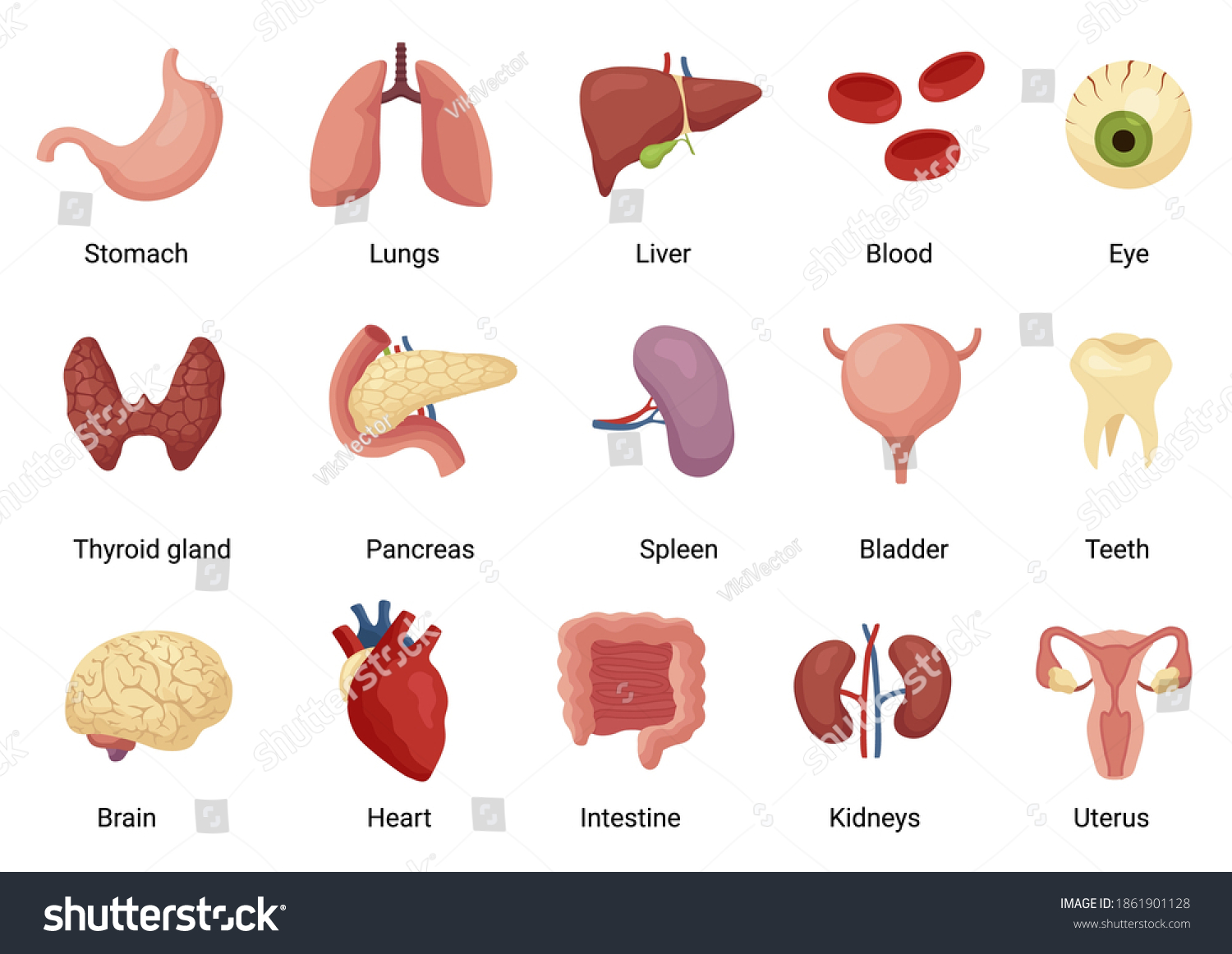
The nine major organ systems in the human body are the integumentary system, the musculoskeletal system, the respiratory system, the circulatory system, the digestive system, the excretory system, the nervous system, the endocrine system, and the reproductive system.

The 11 Body Organ Systems: Anatomy and Function Biology Diagrams
The human body has 11 major organ systems: Circulatory System: Includes the heart and blood vessels, transporting blood, oxygen, and nutrients. Respiratory System: Composed of the lungs and airways, facilitating oxygen intake and carbon dioxide removal. Physical Layout In The Human Body. The body is organized into distinct anatomical regions, each housing specific organs that contribute to physiological functions. The thoracic cavity encloses the heart and lungs, protected by the ribcage and separated from the abdominal cavity by the diaphragm.
