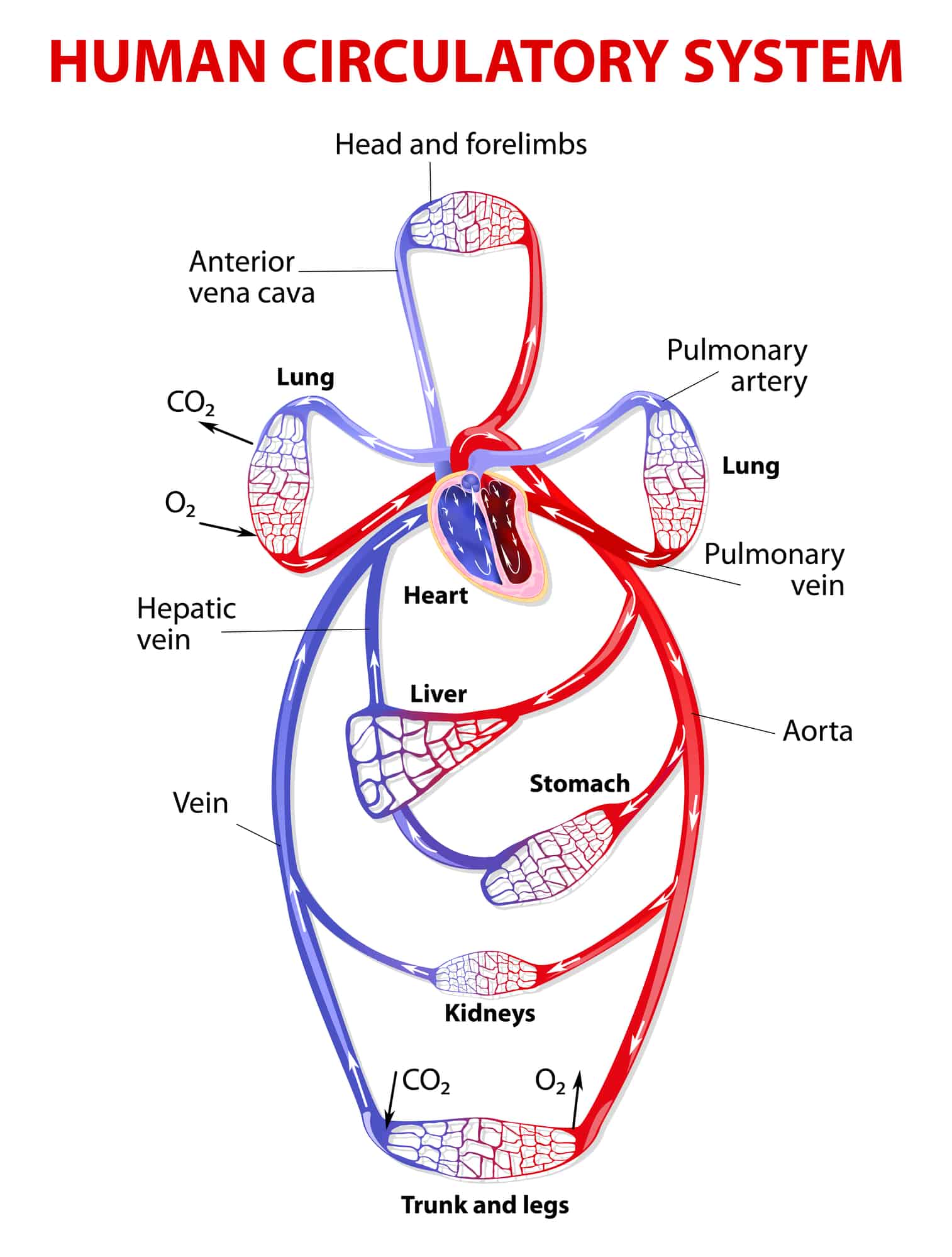
Principles of Human Anatomy and Physiology CHAPTER 18 Blood vessel Biology Diagrams Circulatory system. The circulatory system, also called cardiovascular system, is a vital organ system that delivers essential substances to all cells for basic functions to occur. Also commonly known as the cardiovascular system, is a network composed of the heart as a centralised pump, blood vessels that distribute blood throughout the body, and the blood itself, for transportation of

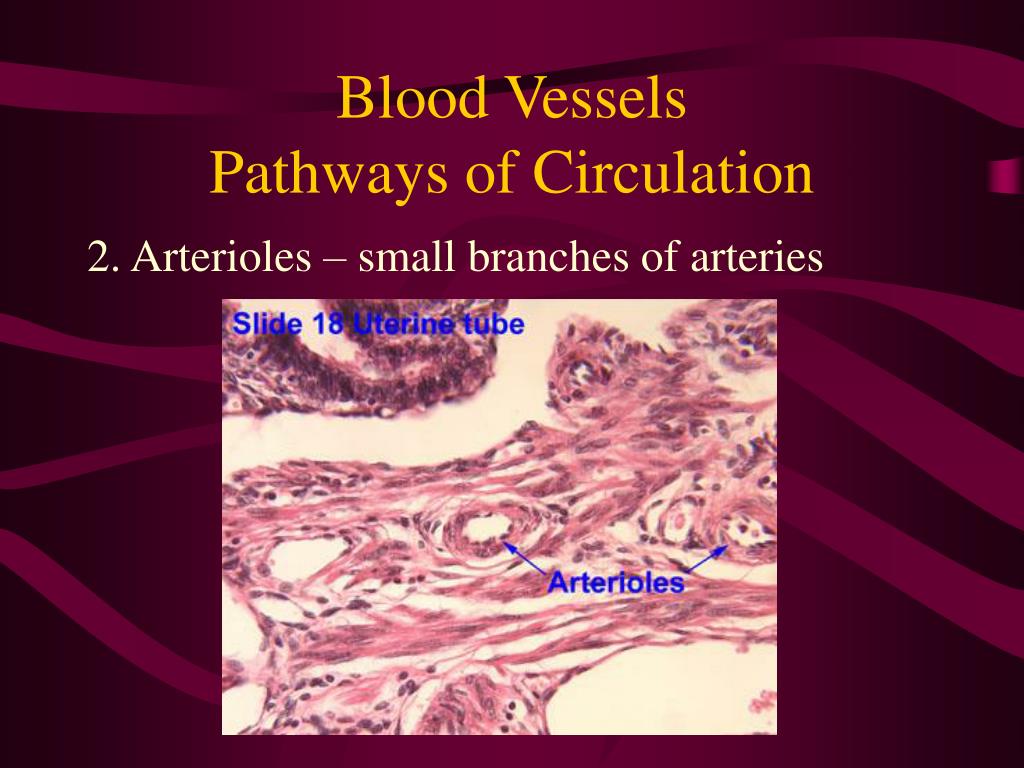
The journey might begin and end with the heart, but the blood vessels reach every vital spot along the way. These arteries, veins, and capillaries make for a vast network of pipes. 1. The Three Major Types of Blood Vessels: Arteries, Veins, and Capillaries. Blood vessels flow blood throughout the body. Arteries transport blood away from the heart.
What Are The Major Blood Vessels In The Human Body, And What Are Their ... Biology Diagrams
Virtually every cell, tissue, organ, and system in the body is impacted by the circulatory system. This includes the generalized and more specialized functions of transport of materials, capillary exchange, maintaining health by transporting white blood cells and various immunoglobulins (antibodies), hemostasis, regulation of body temperature, and helping to maintain acid-base balance. Circulatory Pathways. The blood vessels of the body are functionally divided into two distinctive circuits: pulmonary circuit and systemic circuit. The pump for the pulmonary circuit, which circulates blood through the lungs, is the right ventricle.The left ventricle is the pump for the systemic circuit, which provides the blood supply for the tissue cells of the body. What is the path blood takes in the circulatory system? The purpose of the Circulatory System is to deliver oxygen and nutrients to all the cells in the body. The circulatory consists of the heart and all the bood vessels in the body (arteries, veins and capillaries). Arteries carry blood away from the heart. Veins carry blood to the heart.
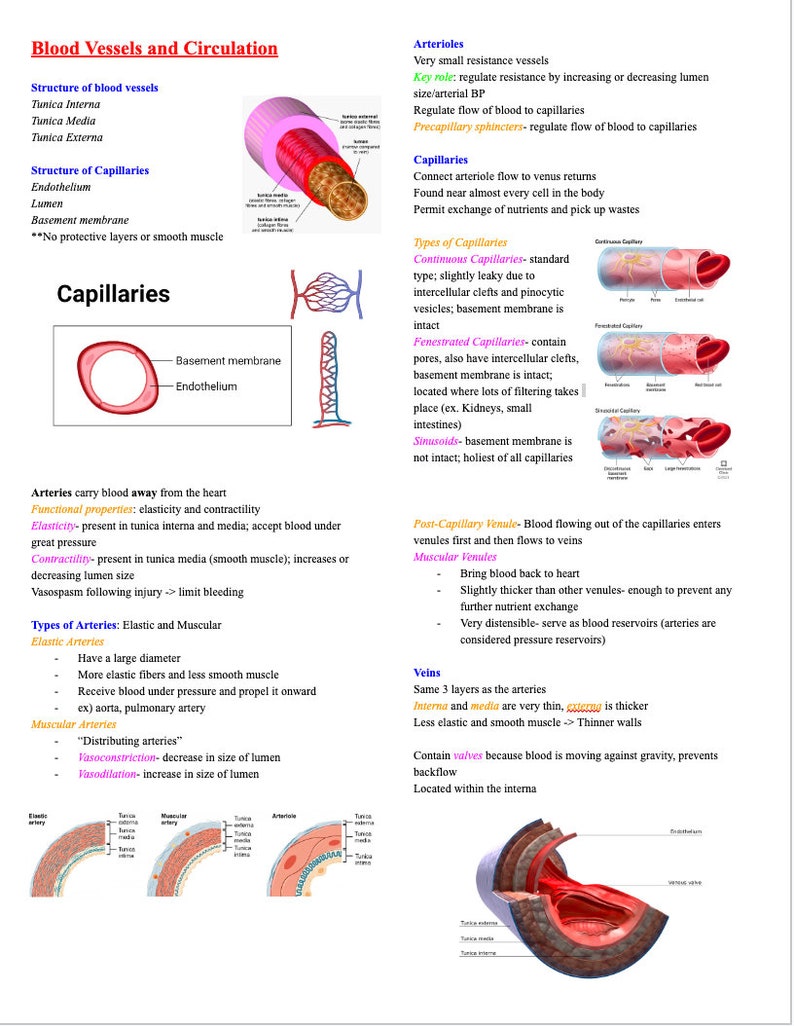
The human circulatory system or cardiovascular system is a network responsible for transporting blood, oxygen, nutrients, hormones, and waste products throughout the body.It consists of the heart, blood vessels, and blood. This complex system ensures that every cell receives the resources needed for survival while removing metabolic waste products, maintaining homeostasis.

How Your Circulatory System Works Biology Diagrams
Pulmonary Circulation. Recall that blood returning from the systemic circuit enters the right atrium (Figure 20.5.2) via the superior and inferior venae cavae and the coronary sinus, which drains the blood supply of the heart muscle.These vessels will be described more fully later in this section.